
Industry Insight
Why Brands Keep Getting Artist Relations Wrong
Brands think compensation is the key to working with artists. They're wrong. On what's missing from brand-artist relationships; and what the old music managers understood that everyone's forgotten.
There's a conversation I find myself having more than any other.
A brand reaches out, genuinely excited, budget in hand, and their opening offer is a discount. Maybe free product. Maybe an affiliate deal structured around transactions. And they present it like it's a gift.
I understand the logic. They've built something real. They're proud of it. And in their world, compensation is how you show value.
But here's what they don't see from where they're standing: artists are scared of being bought.
Not because they don't need income. They do, we all do. But because the moment a relationship starts with a transaction, it poisons the well. The artist starts wondering what the brand actually wants from them. The brand starts measuring ROI instead of building trust. And what could have been a genuine, lasting partnership turns into a campaign that neither side feels good about six months later.
"Artists are scared of being bought. Not because they don't need income — but because the moment a relationship starts with a transaction, it poisons the well."
The real problem isn't the offer. It's the distance.
When brands come to artists, they're usually coming from a place of exhaustion. Business owners and marketing teams are burnt out, flooded with ideas, constantly pitching, rarely hearing honest feedback. So they stop asking for it. They start talking at their audience instead of with them.
And artists do the same thing. They get so close to their work, so deep inside their own creative world, that they lose the ability to see how they're landing from the outside.
Two parties. Both brilliant at what they do. Both too close to see clearly.
This is exactly the gap that's costing people longevity. Because the only way to actually grow, as a brand, as an artist, as any kind of creative business, is real intel. Not focus groups. Not analytics dashboards. Real, human, in-the-room connection with the people you're trying to reach. Your customer. Your listener. The community you want to belong to.
And when brands do finally come to this conclusion, when they do decide to show up and have the conversation, they still miss the mark. Because they're asking the wrong questions, in the wrong rooms, to people who are being polite instead of honest.
"Culture can't be bought. It has to be earned."
There was a time when every serious artist had a manager whose entire job was to be the bridge. Not to create the art. Not to run the brand. But to stand in the space between the two and translate, protecting the artist's integrity while opening doors that the artist couldn't open alone, and couldn't even see from where they stood.
That role didn't disappear because it stopped being needed. It disappeared because the industry fragmented. Everyone became their own manager, their own publicist, their own marketing team. And somewhere in that DIY era, the bridge got burned.
What I do, what Artist & Media Relations actually is at its core, is rebuild that bridge.
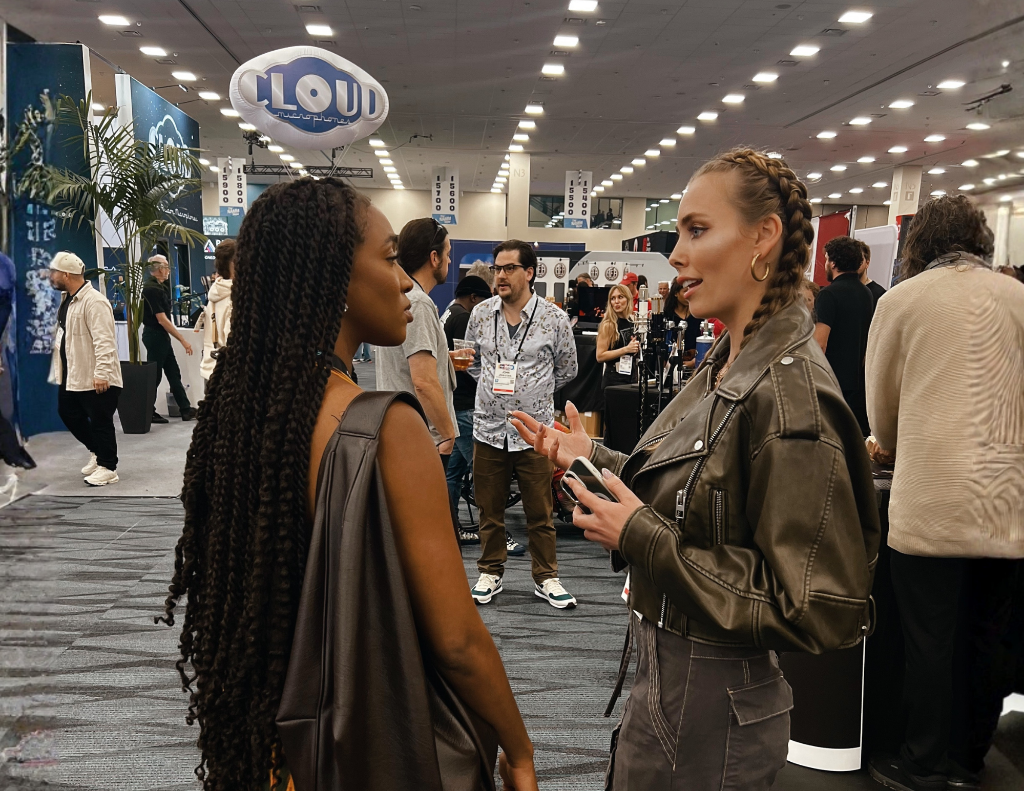
For brands, that means having someone who can walk into a room with an artist and have the real conversation. Not the pitch. Not the transaction. The one where both parties figure out if there's actually something here worth building.
For artists, it means having someone who can see your work from the outside, tell you the truth about how it's landing, and connect you to the partnerships that will actually serve your career. Not just your next month's income.
The brands I respect most aren't the ones with the biggest budgets. They're the ones who understand that culture can't be bought. It has to be earned. And the artists I admire most aren't the ones with the most streams. They're the ones still here, still relevant, still growing ten years into their career.
What they have in common is this: at some point, they stopped trying to do everything themselves. They found the right people to outsource the path, the navigation, the translation, the relationship-building that happens in the space between art and commerce.
That's not a weakness. That's how longevity actually works.
If you're a brand trying to show up authentically in music and culture, or an artist trying to build a career that compounds instead of peaks and disappears, the conversation you need to have isn't with a transaction.
It's with someone who can stand in the middle and tell you both the truth.
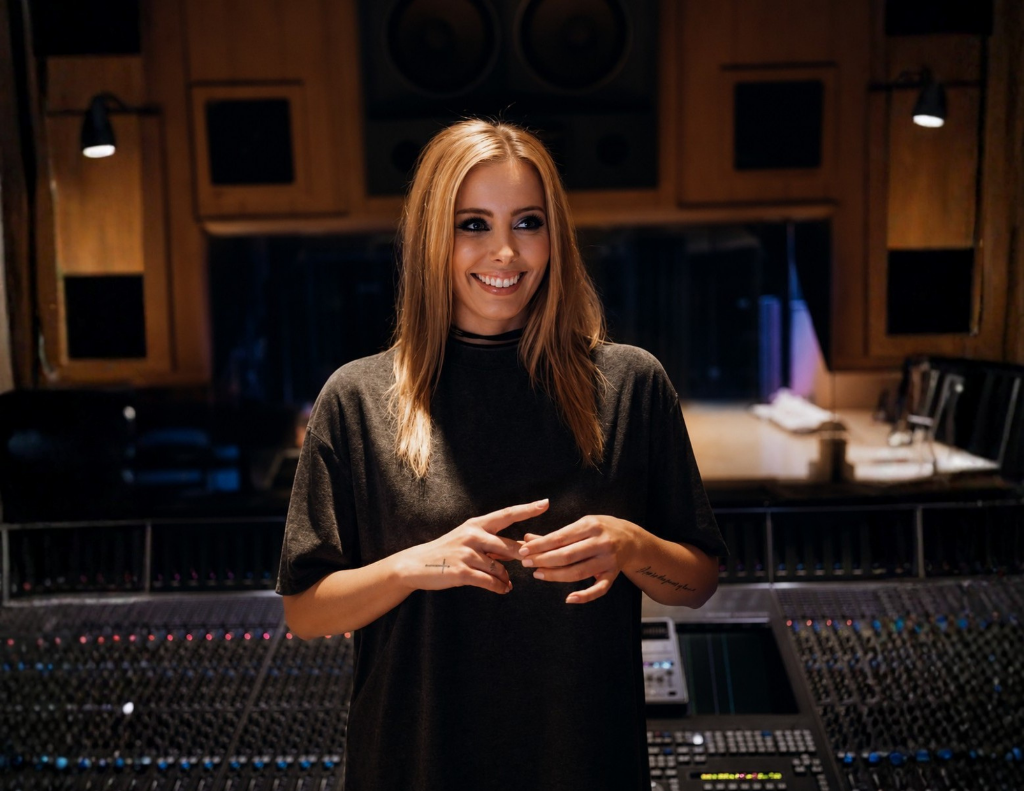
Ina Bravo is a Dutch-born, California-based creative strategist specializing in Artist & Media Relations, Brand Partnerships, and Music Strategy. She works with brands and artists through her company IBProductive LLC, currently serving as Artist & Media Relations consultant for Monheim Microphones.
Continue Reading
More from the Press
Ina Bravo